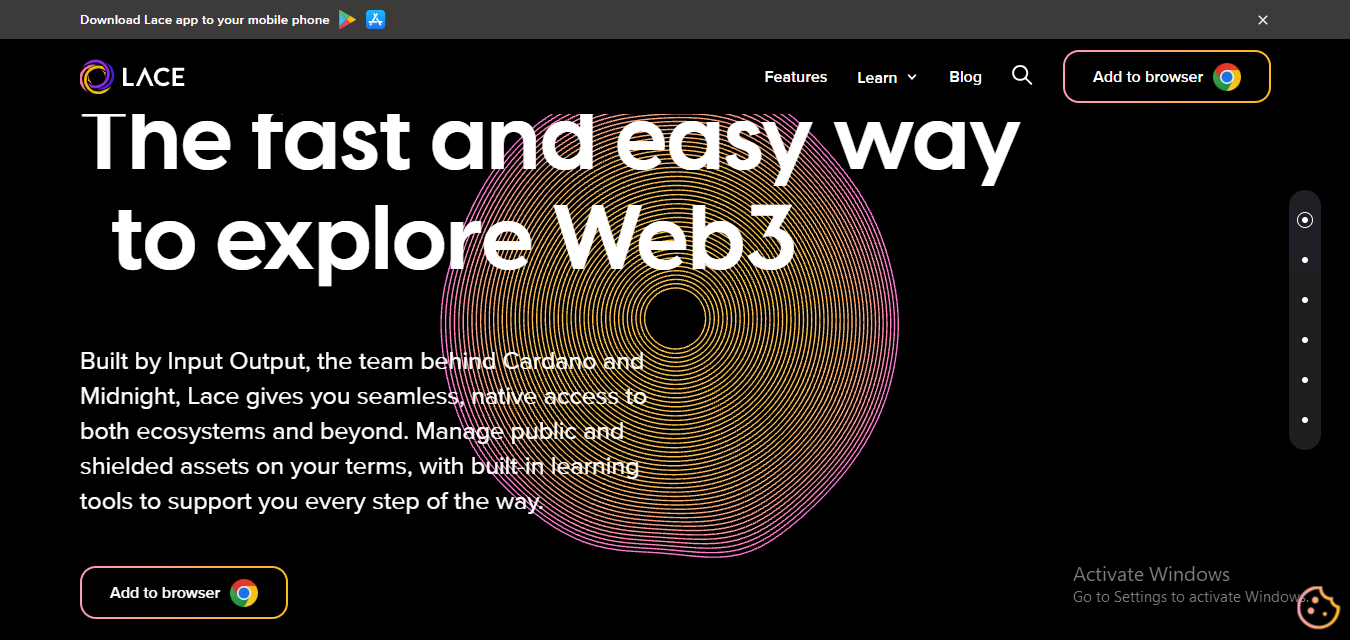
Lace Wallet: A Complete Guide to Managing Cardano Digital Assets
Introduction to Lace Wallet
Cryptocurrency wallets play an important role in helping users manage digital assets, interact with blockchain networks, and explore decentralized applications. Lace Wallet is a cryptocurrency wallet designed primarily for the Cardano ecosystem. It provides users with tools to manage supported digital assets, send and receive cryptocurrency, and explore blockchain-based services through a user-friendly interface.
For individuals interested in Cardano and its native cryptocurrency, ADA, Lace Wallet offers an accessible way to begin exploring blockchain technology. Understanding its features, benefits, setup process, and security practices can help users make informed decisions about managing their digital assets.
What Is Lace Wallet?
Lace Wallet is a self-custody cryptocurrency wallet developed by Input Output, a company known for its work within the Cardano ecosystem. Unlike custodial platforms that manage private keys on behalf of customers, a self-custody wallet allows users to maintain control over their wallet credentials.
Lace is designed to simplify cryptocurrency management while providing access to Cardano's blockchain features. Users can manage supported assets, review transaction information, and participate in compatible blockchain activities.
Because Lace is associated with the Cardano ecosystem, users should check the wallet's current supported features before attempting to manage assets from other blockchain networks.
Key Features of Lace Wallet
1. Cardano Asset Management
One of the primary purposes of Lace Wallet is to help users manage ADA and supported Cardano-native tokens. The wallet provides an interface for viewing available assets and managing cryptocurrency holdings.
Users can review their balances and organize their digital assets through the wallet interface. However, cryptocurrency prices can change rapidly, and wallet balances do not guarantee any particular investment value.
2. Send and Receive Cryptocurrency
Lace Wallet enables users to send and receive supported digital assets through the Cardano network. Receiving cryptocurrency generally involves sharing a wallet address, while sending requires entering the recipient's address and confirming the transaction details.
Before transferring funds, users should verify the recipient address and the amount being sent. Blockchain transactions are generally irreversible, so mistakes may result in permanent financial losses.
3. Self-Custody and Private Key Control
Self-custody is an important feature for cryptocurrency users who want greater control over their digital assets. With Lace Wallet, users are responsible for protecting their wallet credentials and recovery information.
This approach offers greater independence from a centralized custodian, but it also creates additional responsibilities. Losing access to the recovery phrase may prevent a user from restoring the wallet, depending on the available recovery options.
4. Cardano Staking
Cardano supports a staking mechanism that allows ADA holders to delegate their stake to a stake pool. Lace Wallet provides access to Cardano staking features, allowing eligible users to explore delegation options.
Staking can help users participate in the Cardano network without necessarily transferring custody of their ADA to a third party. However, rewards are not guaranteed and may depend on network conditions, pool performance, and other factors.
5. User-Friendly Interface
A straightforward interface can make cryptocurrency management easier for beginners. Lace Wallet is designed to help users navigate essential wallet functions without requiring advanced blockchain knowledge.
Users can access supported features, review transaction information, and manage their Cardano assets through the available interface. Feature availability may vary depending on the wallet version and supported platform.
Benefits of Using Lace Wallet
Lace Wallet offers several potential benefits for people interested in Cardano. Its focus on the Cardano ecosystem makes it relevant to users who want to manage ADA and compatible tokens within that network.
Self-custody provides users with more direct control over their wallet credentials. Cardano staking functionality also allows users to explore delegation as part of their cryptocurrency management strategy.
Another potential benefit is accessibility. Users who are new to blockchain technology may find a wallet with a clear interface easier to understand than tools designed primarily for advanced developers.
Nevertheless, the benefits of any cryptocurrency wallet depend on individual requirements, technical knowledge, and security habits.
How to Set Up Lace Wallet
Getting started with Lace Wallet involves a few essential steps.
Step 1: Find the Official Wallet
Locate Lace Wallet through a trusted source and verify that you are using the legitimate application or browser extension. Avoid sponsored advertisements and unfamiliar websites that imitate official wallet pages.
Step 2: Install the Wallet
Follow the installation instructions for the supported platform. Check application permissions and ensure that your software comes from a trustworthy source.
Step 3: Create or Restore a Wallet
Follow the wallet's instructions to create a new wallet or restore an existing one. If creating a new wallet, carefully record the recovery phrase according to the provided guidance.
Step 4: Secure Your Recovery Information
Store your recovery phrase in a safe, private location. Never share it with another person or enter it into an untrusted website. Anyone who obtains the necessary recovery credentials may be able to access your funds.
Step 5: Receive and Manage ADA
Once the wallet is ready, review its receiving instructions and verify the displayed address before transferring cryptocurrency. Consider starting with a small test transaction when appropriate.
Lace Wallet Security Tips
Protecting digital assets requires consistent attention to security. Users should keep their devices updated, use strong device passwords, and avoid installing suspicious browser extensions.
Never disclose your recovery phrase or private keys to someone claiming to provide technical support. Be cautious of unexpected messages, fake airdrops, suspicious token offers, and websites requesting unnecessary wallet permissions.
Before approving a transaction or connecting Lace Wallet to a decentralized application, carefully review the requested action. If something appears unusual, stop and verify the request before proceeding.
Users should also understand that self-custody means taking personal responsibility for wallet access. A recovery phrase should never be stored in a publicly accessible document or shared through email, messaging applications, or social media.
Lace Wallet Fees and Limitations
Using Lace Wallet may involve Cardano network transaction fees when sending assets or performing certain blockchain operations. The exact fee depends on the transaction and applicable network conditions.
Staking participation may also involve considerations related to delegation, rewards, and network rules. Users should review the latest wallet information before completing transactions or making decisions about their assets.
Lace Wallet's Cardano focus may be a limitation for people who want to manage assets across numerous unrelated blockchain networks. Anyone seeking broader multi-chain functionality should compare available wallets and verify their supported networks before choosing a solution.
Is Lace Wallet Suitable for Beginners?
Lace Wallet may be suitable for beginners who want to explore Cardano and learn how self-custody works. Its wallet interface and access to core Cardano functions can provide a starting point for managing ADA and compatible digital assets.
However, beginners should understand the basics of wallet addresses, recovery phrases, network fees, and irreversible transactions before transferring significant funds.
Starting with small transactions, learning about staking, and following reliable security practices can help users become more confident when interacting with blockchain technology.
Conclusion
Lace Wallet is a self-custody cryptocurrency wallet focused on the Cardano ecosystem. Its features support digital asset management, sending and receiving supported cryptocurrencies, and access to Cardano staking functionality.
For users interested in ADA and Cardano-native tokens, Lace Wallet can provide a useful way to explore blockchain services while maintaining control over wallet credentials. However, self-custody also requires careful security practices and a clear understanding of cryptocurrency risks.
By verifying the official wallet source, protecting recovery information, checking transaction details, and understanding network fees, users can make more informed decisions about using Lace Wallet. Researching available features and comparing wallet options can help individuals choose a solution that fits their digital asset management needs.